






As customers upgrade vehicles and dealerships work to replenish used inventory, appraisers are tasked with making quick, accurate valuation decisions that protect profitability while remaining competitive.
Vehicle age, mileage, accident history, and market demand all influence a trade-in appraisal. But one factor often has an outsized impact on the final number: cosmetic condition.
A vehicle with light scratches, minor dents, wheel damage, paint defects, or interior wear may still run perfectly. Yet those cosmetic issues can significantly affect what a dealership is willing to pay — because appraisers aren’t just evaluating a vehicle’s current condition. They’re estimating what it will take to make that vehicle ready for sale.
Why Cosmetic Condition Matters During Trade-In Appraisals
Every visible cosmetic defect represents a future expense. Whether it’s a wheel that needs refinishing, a bumper that requires repair, or a series of door dings that need paintless dent repair, those issues affect the vehicle’s reconditioning plan.
That’s why two vehicles with nearly identical mileage, service histories, and market values can receive very different appraisals. The difference often comes down to how much cosmetic work will be required before the vehicle can be photographed, merchandised, and sold.
In many cases, cosmetic flaws don’t impact drivability. It impacts profitability.
The Cosmetic Issues Most Likely to Affect Trade-In Value
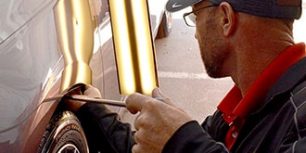
Dents and door dings are among the most common issues identified during trade-in inspections. While a single dent may have minimal impact, multiple dents across a vehicle can signal additional repair costs and extend reconditioning timelines.
Wheel damage is another frequent appraisal deduction. Curb rash and damaged alloy wheels are highly visible to prospective buyers and often require refinishing before a vehicle reaches the frontline.
Paint defects, bumper scrapes, and surface scratches can also influence trade-in values. Even relatively minor damage may require touch-up work or repair to restore a vehicle’s appearance and marketability.
Interior condition plays a significant role as well. Rips, torn upholstery, damaged trim, excessive wear, stains, and lingering odors can affect customer perception and reduce a vehicle’s retail appeal.
While these issues may seem minor individually, appraisers evaluate them collectively. A vehicle with multiple cosmetic concerns often carries a larger reconditioning burden than a vehicle with a single isolated defect.
Appraisers Are Really Estimating Reconditioning Costs
The most effective appraisals aren’t simply assessments of vehicle condition.
Appraisers must estimate how much cosmetic damage will cost to repair, how long those repairs will take, and how those repairs will affect the vehicle’s path to the sales lot.
The challenge isn’t always the repair itself. The challenge is the uncertainty surrounding the repair.
If a dealership has confidence in the repair cost and how quickly they can be completed, appraisal decisions become easier. Managers can acquire vehicles more aggressively because they understand exactly what it will take to make them retail-ready.
Without that certainty, appraisers often build additional risk into their valuations.
In other words, cosmetic imperfections don’t just create repair costs. They create appraisal risk.
As acquisition volumes increase, so does the number of vehicles entering the reconditioning process. What might be a manageable workload during slower periods can quickly become a bottleneck when dozens of additional trade-ins enter inventory simultaneously.
The numbers illustrate the pressure. Many dealerships average roughly 12.2 days from acquisition to frontline readiness, and every additional day a vehicle spends in reconditioning can cost between $35 and $55 in holding and opportunity costs. During peak trade-in periods, even minor cosmetic repair delays can compound quickly across an entire inventory.
When vehicles remain stuck in reconditioning, the result is fewer frontline-ready units, slower inventory turn, and missed sales opportunities. The dealerships that manage this process most effectively are typically the ones with a clear cosmetic repair strategy in place before the vehicle is even appraised.
Predictable Reconditioning Leads to Better Appraisals
When dealerships know how cosmetic repairs will be handled, what those repairs will cost, and how quickly they can be completed, they can make more informed, fair decisions. Instead of over-deducting for uncertainty, appraisers can evaluate vehicles based on realistic repair expectations and true market potential.
That confidence can help dealerships acquire more desirable inventory while protecting margins throughout the reconditioning process.
How Dent Wizard Helps Dealers Maximize Trade-In Value
Dent Wizard helps dealerships reduce uncertainty in the cosmetic reconditioning process.
From paintless dent repair and wheel remanufacturing to interior and headlight restoration, Dent Wizard helps dealerships address the cosmetic issues that most affect trade-in appraisals, and helps create the consistency that makes accurate appraisals possible.
When dealerships have a trusted cosmetic repair partner, appraisers gain greater confidence in repair costs, reconditioning timelines, and frontline readiness. Vehicles move through reconditioning more efficiently, inventory reaches the lot faster, and valuation decisions become more accurate.
That’s why many dealerships view cosmetic reconditioning not as a repair expense, but as a critical part of their inventory acquisition strategy.
Contact Dent Wizard today to learn how our dealership reconditioning solutions can help improve inventory flow, reduce cycle times, and maximize the value of every trade-in.